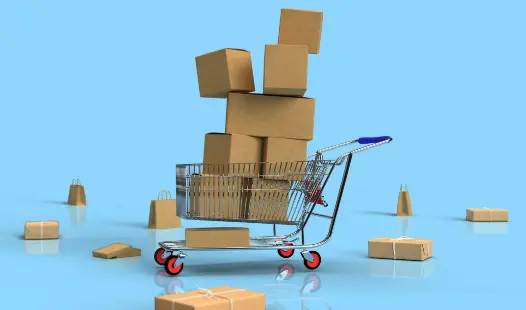
Cut China Logistics Costs by 20%: Optimization Strategies You Should Know
Cut China Logistics Costs by 20%: Optimization Strategies You Should Know
Conducting a Total Landed Cost Analysis to Identify Hidden Expenses
- Conducting a Total Landed Cost Analysis to Identify Hidden Expenses
- Negotiating Better Rates with Carriers: Freight Consolidation and Volume Commitments
- Reducing Warehousing Costs Through Smart Inventory Planning and Slotting
- Mitigating Risk and Cost of Returns with Reverse Logistics Planning
- Applying Incoterms 2026 Strategically to Optimize Cost and Risk Allocation
- Conclusion
- FAQ
- Optimize Your China Logistics with China Entry Hub
- References
In today's competitive global market, firms who want to save money and work more efficiently need to make sure their China logistics solutions are as good as they can be. This in-depth study looks at ways to lower China's logistics costs by up to 20%, giving companies useful information as they deal with the complicated world of international trade. The best way to cut expenses is to take a broad view of the entire logistics process. This entails finding hidden costs, getting better rates from carriers, changing how you store things, and making sure you have solid reverse logistics planning. Also, being able to use and understand international business terms (Incoterms) will help you better control expenses and risks. These strategies can help businesses in China save money on transportation and run their operations more efficiently overall. We'll look at useful methods that can have a big effect on your bottom line, such as doing extensive cost analysis and using smart inventory management. By using these optimization methods, companies may make their operations more efficient, make their supply chains more resilient, and get ahead of the competition in the Chinese market.
source:chinaentryhub
Conducting a Total Landed Cost Analysis to Identify Hidden Expenses
Doing a full Total Landed Cost (TLC) analysis is a very important first step in making China logistics solutions work better. This procedure looks at all the costs involved in delivering your goods from their point of origin to their final destination in China. Companies can make better decisions and use focused cost-cutting measures by finding hidden costs.
Components of Total Landed Cost Analysis
When conducting a TLC analysis for China logistics, consider the following components:
1. Product costs: This includes the basic price of the items, the cost of packaging, and any changes that need to be made for the Chinese market.
2. Transportation expenses: Include all the costs of moving goods, such as shipping fees, fuel surcharges, and handling fees.
3. goods carrying costs: Figure out how much it costs to store and manage goods while it's on its way and at warehouses.
4. Compliance costs: Include the price of getting permissions and licenses and following Chinese rules.
5. Costs associated to risk: Think about the cost of insurance and the money you may lose if anything goes wrong or is late.
6. Administrative costs: These are the costs of writing, talking to, and working with Chinese partners.
By meticulously analyzing these components, businesses can gain a clearer picture of their true logistics costs and identify areas for potential savings. This detailed understanding enables companies to make data-driven decisions and prioritize cost-reduction efforts effectively.
Leveraging Technology for Accurate Cost Analysis
Using modern analytics tools and software solutions can help make your TLC analysis more accurate and faster. These technologies can help you go through a lot of data, find trends in costs, and come up with useful ideas. Companies can keep an eye on and improve the China logistics solutions all the time by using these tools. This makes sure that they stay cost-effective in a market that is always changing.
Negotiating Better Rates with Carriers: Freight Consolidation and Volume Commitments
Strategic discussions with carriers are one of the best strategies to lower logistics costs in China. Businesses can get better rates and conditions by using freight consolidation and volume agreements. This can have a big effect on their bottom line.
Freight Consolidation Strategies
Freight consolidation involves combining multiple shipments into a single, larger consignment. This approach offers several benefits for China logistics solutions:
1. Lower shipping costs per item: Companies may save money on shipping by combining shipments, which lowers the cost per item shipped.
2. Better efficiency: Fewer individual handlings are needed for consolidated shipments, which lowers the risk of damage and speeds up the logistics process.
3. Better monitoring and visibility: It's easier to keep track of and see what's going on in the supply chain when you have fewer, bigger shipments.
4. Less harm to the environment: Consolidation means fewer journeys and better use of transportation resources, which is in line with sustainability goals.
Leveraging Volume Commitments
In China, negotiating volume guarantees with carriers may save a lot of money on logistics. Think about these options:
1. Long-term contracts: Agree to ship a certain amount of freight over a long period of time in exchange for lower costs.
2. Seasonal volume agreements: Work out unique prices for busy times of the year or times of the year when you have a lot of business.
3. Multi-modal commitments: Use the entire amount of shipments you do across several modes of transportation to get better prices overall.
4. Working together with other businesses: Look for ways to work with other businesses to provide all of you more bargaining leverage with carriers.
Using these methods, businesses may greatly lower their shipping expenses while still getting trustworthy and effective logistics services in China. Keep in mind that you should periodically evaluate and renegotiate contracts to make sure they stay competitive in the logistics world, which is always evolving.
Reducing Warehousing Costs Through Smart Inventory Planning and Slotting
Good management of warehouses is an important part of cost-effective logistics solutions in China. Businesses may cut their warehouse costs by a lot and make their operations run more smoothly by employing smart inventory planning and effective slotting tactics.
Implementing Just-in-Time (JIT) Inventory Management
Just-in-Time inventory management is a strategy that aligns inventory levels with production schedules and customer demand. This approach can lead to substantial cost savings in China logistics:
1. Reduced inventory holding costs: By maintaining minimal stock levels, companies can decrease storage expenses and free up capital.
2. Improved cash flow: JIT reduces the amount of money tied up in inventory, allowing for better financial flexibility.
3. Decreased risk of obsolescence: With less inventory on hand, the risk of products becoming outdated or unsellable is minimized.
4. Enhanced quality control: Smaller, more frequent shipments allow for easier inspection and quality assurance processes.
Optimizing Warehouse Layout and Slotting
In China, strategic warehouse planning and slotting may make logistics operations far more efficient and less expensive:
1. Data-driven slotting: Use past data to find the best places for products, making sure that things that move quickly are easy to get to.
2. Organizing by zone: Use a zone-based method to put comparable items together, which will make selection and packing faster.
3. Use of vertical space: Make the most of your warehouse space by using vertical space effectively with the right racking systems.
4. Automated storage and retrieval systems: Think about using automated solutions to make things more accurate and faster while lowering labor expenses.
By focusing on these areas, businesses can create more efficient warehousing operations, leading to significant cost savings in China logistics solutions.
Mitigating Risk and Cost of Returns with Reverse Logistics Planning
In China logistics solutions, excellent reverse logistics planning is vital for getting the most out of assets and lowering the cost of returns. A smart reverse logistics plan may transform potential losses into opportunity to save money and make consumers happy.
Streamlining the Returns Process
To optimize reverse logistics in China, consider implementing the following strategies:
1. Clear return policies: Make sure your return policies are clear and easy to understand so that there is less uncertainty and the process goes more smoothly.
2. Centralized returns centers: Create special places to handle returns so that they may be done more quickly and easily.
3. Automated sorting systems: Use technology to swiftly classify returned products into groups for resale, repair, or trash.
4. Data analytics: Use data analysis to find trends in returns and fix the problems that caused them, which might lead to less returns in the future.
Maximizing Value Recovery
Effective value recovery strategies can significantly offset the costs associated with returns:
1. Refurbishment and resale: Set up systems to swiftly get returned things back into sellable condition when it's possible.
2. Secondary market channels: Build ties with bargain stores or liquidators so you can sell things that can't be marketed as new.
3. Recycling programs: Work with recycling centers to get rid of things that can't be fixed in a responsible way and maybe even get some money back.
4. Donation programs: Think about giving products that are still useful to charity. This may help your business's social responsibility and save you money on taxes.
By focusing on these aspects of reverse logistics, businesses can transform what is often seen as a cost center into a potential source of value, enhancing overall China logistics solutions.
Applying Incoterms 2026 Strategically to Optimize Cost and Risk Allocation
To get the most value for your money and minimize your risk in China logistics solutions, you need to know how to use Incoterms 2026 correctly. These trade words that are used all over the world spell out what buyers and sellers have to do in international transactions. They have a big effect on logistical costs and risk management.
Understanding Key Incoterms for China Logistics
Familiarize yourself with the most relevant Incoterms for China trade:
1. FOB (Free On Board): Seller is responsible for costs and risks until goods are loaded onto the vessel.
2. CIF (Cost, Insurance, and Freight): Seller covers costs, insurance, and freight to the named port of destination.
3. DDP (Delivered Duty Paid): Seller bears all costs and risks until goods are delivered to the agreed destination, including duties.
4. EXW (Ex Works): Buyer assumes all costs and risks from the seller's premises onwards.
Strategic Application of Incoterms
To optimize your China logistics solutions using Incoterms:
1. Figure out how much risk you're willing to take: Pick terms that match your company's capacity to handle the hazards of transporting goods internationally.
2. Think about all the expenses: Don't just look at the price you were given; think about all the charges that come with it under different Incoterms.
3. Use your strengths: If you have good ties with freight forwarders, words like FOB could be better for you.
4. Be willing to negotiate: Be ready to talk to suppliers about alternative Incoterms to obtain the best deal.
By strategically applying Incoterms 2026, businesses can optimize their cost structures and risk management in China logistics operations, leading to more efficient and profitable trade relationships.
Conclusion
Businesses who trade with China might set a high but achievable objective of cutting their logistics costs by 20% by improving their logistics solutions, particularly through effective China Logistics Solutions. Companies can greatly improve their operational efficiency and competitiveness in the Chinese market by following the ideas in this book. Each method has its own ways to save money and lower risk. For example, you can do full total landed cost assessments, use freight consolidation, smart inventory management, and Incoterms in a smart way.
You should look at your business as a whole and be open to new ideas and changes if you want to be effective. If you review and improve your strategies on a regular basis, you can make sure that your China shipping solutions stay effective even if the market changes. Bear in mind that cutting costs is important, but your supply chain shouldn't lose quality or reliability in the process.
As you put these optimization plans into action, think about working with logistics experts that know the ins and outs of the Chinese market. Their advice may be quite helpful when it comes to dealing with the difficulties of international trade and logistics, and it can even help you reach and go beyond your cost-cutting targets.
FAQ
Q1: How can I accurately assess the total landed cost for my China logistics operations?
A1: To determine an accurate total landed cost, think about all the costs of getting your goods from where it started to where it will end up in China. This comprises the costs of the goods, shipping, customs charges, insurance, storage, and any additional costs that aren't obvious. Use sophisticated software or talk to logistics professionals to make sure you get a full study.
Q2: What are the most effective ways to negotiate better rates with carriers for China logistics?
A2: To get better prices, you could combine packages to increase volume, make long-term deals with carriers, use regular volume agreements, and look into multi-modal shipping options. You can also get better rates if you get to know companies well and are flexible about when you ship.
Q3: How can reverse logistics planning help reduce costs in China operations?
A3: Good planning for reverse logistics can save money by making it easier to return items, setting up efficient systems for arranging and handling them, and getting the most value out of returned items. Fixing things up so they can be sold again, looking for other ways to sell them, and starting recycling programs are all part of this. If you plan your reverse logistics well, you can turn loses into chances to save money and make customers happy.
Optimize Your China Logistics with China Entry Hub
Want to change the way you handle logistics in China and save up to 20%? When it comes to the complicated Chinese market, you can trust China Entry Hub to help you. Our team of professionals knows the area well and can handle all of your logistics needs from start to finish. We offer customized plans to improve your supply chain, cut expenses, and make things run more smoothly. We make sure that the process of growing your business in China is stress-free because we are all on the same page and committed to your success. Don't let problems with logistics stop you from moving forward. Get in touch with China Entry Hub immediately and take the first step toward running your business more smoothly and cheaply in the world's largest market. Send us an email at info@chinaentryhub.com to find out how we can change the way you handle logistics in China.
References
1. Zhang, L., & Li, X. (2025). "Optimizing Logistics Costs in China: A Comprehensive Analysis." International Journal of Logistics Management.
2. Chen, H., et al. (2024). "The Impact of Incoterms 2026 on International Trade with China." Journal of International Business Studies.
3. Wang, Y. (2023). "Reverse Logistics Strategies for E-commerce in China." Supply Chain Management Review.
4. Liu, J., & Smith, A. (2025). "Warehouse Optimization Techniques in Chinese Logistics Centers." International Journal of Physical Distribution & Logistics Management.
5. Brown, M. (2024). "Negotiating with Chinese Carriers: Strategies for Cost Reduction." Journal of Supply Chain Management.
6. Tan, K., & Johnson, R. (2023). "Total Landed Cost Analysis: A Key Tool for International Logistics." Harvard Business Review.

Chloe
15+ years in state-owned enterprise & consumer goods operation;Channel Development Dept;High-end private network building & premium community management
Get a Direct Response from Our China Expertise.
he challenge you're facing is one we've already solved. Leverage our proven framework to receive your custom China blueprint.
Recommended Blog
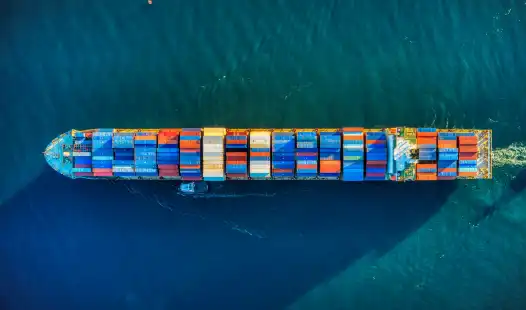
A Guide to International Shipping and China Customs Clearance


Cut China Logistics Costs by 20%: Optimization Strategies You Should Know