A solution-centric framework for selecting capable Chinese partners
To overcome the limitations of generic service providers and identify partners who can truly solve your business challenges in China, particularly in areas like China partner sourcing, it's essential to adopt a solution-centric framework. This approach focuses on aligning your specific needs with the capabilities and expertise of potential service providers. Here's a comprehensive framework to guide your selection process:
Your particular issues and goals
Explain the particular obstacles your firm encounters in China. Identifying your demands is essential for negotiating regulations, knowing local market preferences, and creating effective supply chains. This clarity will help you find partners with the right skills to solve your problems.
Focus on industry expertise
Find service providers with a track record in your industry or comparable fields. They can personalize solutions better since they know industry-specific legislation, market dynamics, and best practices. Ask for case studies or success stories showing their competence in tackling comparable situations.
Assess problem-solving methods
Consider problem-solving styles while choosing partners. Look for suppliers that use data-driven methods, are adaptable, and will customize their techniques. They must be able to examine difficult issues and provide novel solutions.
Assess local networks and resources
Think about a provider's local network's scope. Building ties with government officials, industry groups, and important stakeholders may help navigate Chinese business. Assess their capacity to use these connections to speed up operations, get market insights, and address challenges.
Assess tech capabilities
Today's digital world requires technology skills to solve complicated business problems. Check prospective partners' data analytics, market intelligence, and digital platform utilization. Technology may boost their problem-solving skills.
If you use this structure that focuses on solutions, you can carefully consider possible Chinese service providers and find the ones that are best able to help you with your particular problems. This method makes sure you work with companies that not only know the Chinese market but also have the skills and tools needed to get real results for your business.
Key steps to make sure that the person can solve problems
After you find possible Chinese service providers with the solution-centric structure, you need to make sure they are good at fixing problems. This process helps make sure you work with businesses that can really help you with your unique problems in the Chinese market. Here are important steps for checking that in the screening process:
Ask for in-depth case studies
Ask for case studies that show how the service has solved similar problems in the past. Find clear examples of problems, answers, and measurable results. This will show how much they've actually done and how good they are at fixing problems in the Chinese market.
Verify qualifications and certificates
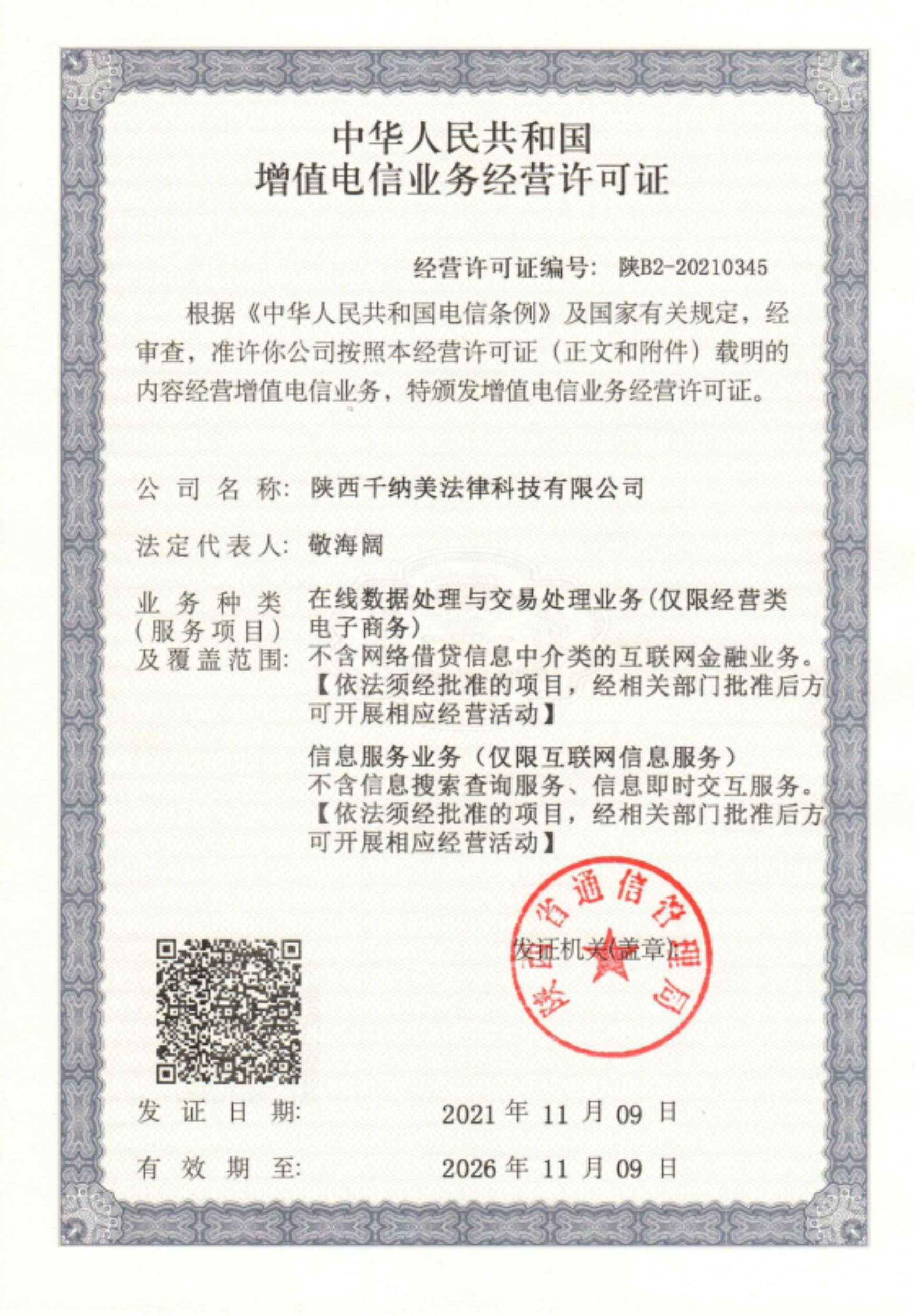
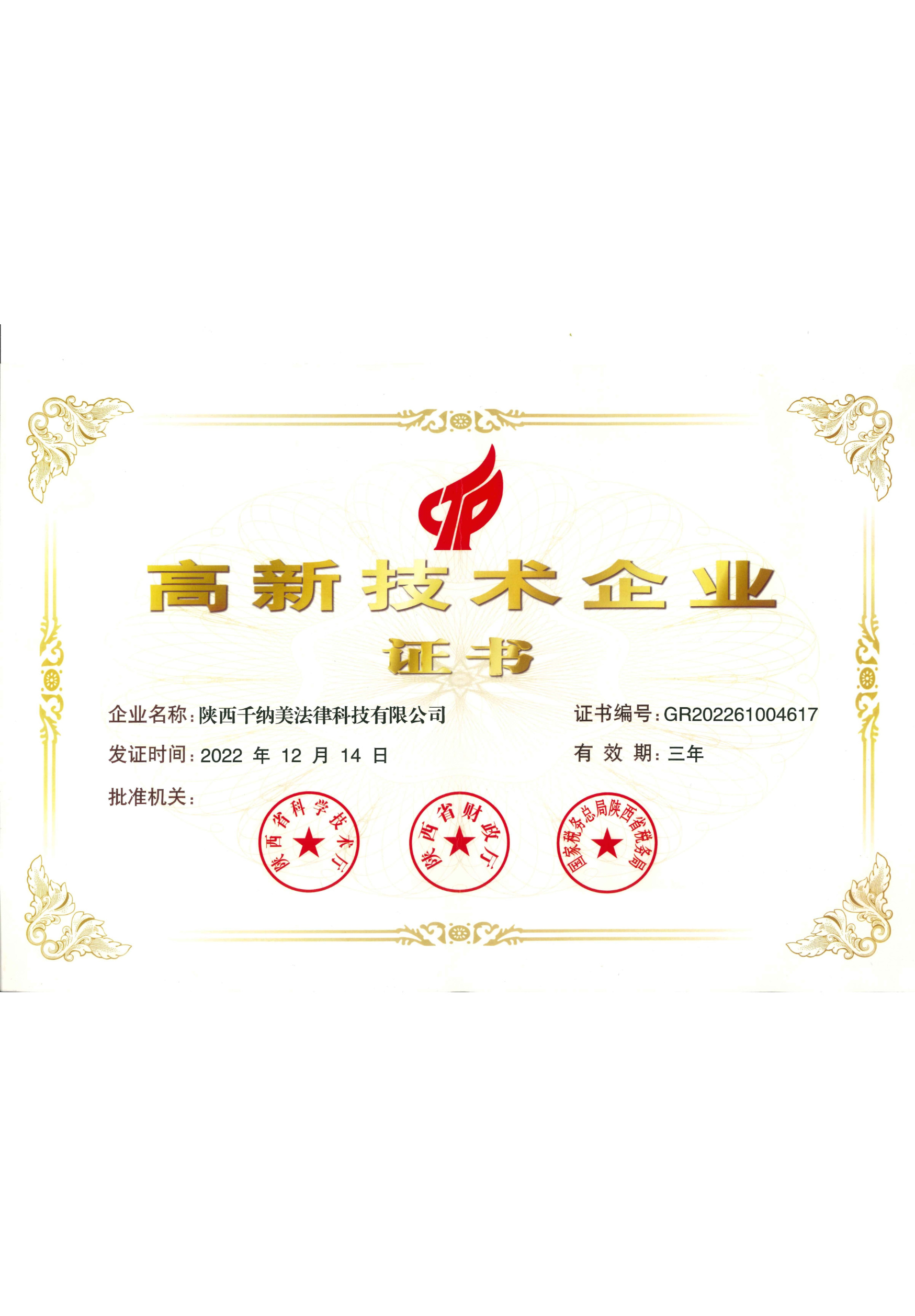
Check out the certificates and skills of potential partners. Figure out which business credentials, government clearances, and professional groups are right for you. These certificates are proof of how much they know and how well they follow the rules of the business. To make sure you can work with them in the long run, check their finances and the state of their business.
Assessment of team expertise
Figure out how skilled and knowledgeable your project team is. Seek information from both near and far. See how much schooling and training they have and how much experience they have dealing with difficult Chinese problems, especially in the context of China partner sourcing. This will make sure you have a lot of different skills to deal with tough issues.
If you carefully follow these steps, you can get a full picture of how good a service provider is at fixing problems. This in-depth review process will help you find partners who know the Chinese market well and can help you with your unique business problems.
Measuring the effectiveness of a true solution provider
Set clear measures and review standards to make sure your Chinese service provider is really helping your business and not just taking your money. This test that you keep doing will help you figure out how good your partnership is and make smart choices about what will happen next. Here are some important things to keep in mind when measuring how well a service provider is doing:
Set clear key performance indicators (KPIs)
Talk to your service provider about setting measurable performance indicators that are in line with your business goals. The things that are being talked about here might be the growth of market share, following the rules, making the supply chain more efficient, or the costs of getting new clients. Make sure these KPIs are good for the Chinese business and your problems.
Implement regular performance reviews
Check how KPIs are doing by regularly assessing success. Key people from your business and the service provider should work together on these tests. Use these meetings to look at what you've done, find places where you can improve, and change your plan. This ongoing contact keeps the team focused on the work they need to do.
Assess problem-solving speed and quality
Consider the provider's speedy and effective problem-solving. Monitor average problem resolution time, first-time resolution rate, and comparable problem recurrence. This will reveal their adaptability and solution sustainability in the changing Chinese market.
These evaluation methodologies let you objectively evaluate your Chinese service provider's productivity in solving your business problems. This continual review assures accountability and gives useful information for enhancing your collaboration and increasing its influence on your Chinese market performance.
Complex challenges requiring specialized service providers
In the complicated Chinese market, firms typically need specialist service providers to solve complex problems, particularly in areas like China partner sourcing. Recognizing these scenarios is essential for finding partners who can personalize solutions. Specific Chinese service providers are needed for these difficult situations:
Regulatory compliance and market entrance
Entering the Chinese market requires negotiating complicated rules, licenses, and administrative processes. Specialized service providers with regulatory expertise and established contacts with key authorities may speed this procedure. Their services include obtaining licenses and permissions, complying with industry-specific rules, navigating free trade zones and special economic regions, and advising on market entrance business forms.
IP protection and enforcement
China's legal system and enforcement procedures make IP protection difficult. IP protection plans, trademark and patent registrations, IP audits and due diligence, and IP litigation and enforcement representation may be provided by specialists.
Localization and cultural adaptation of goods and services
Product and service adaptation for the Chinese market involves more than translation. It requires comprehensive knowledge of local customer tastes, culture, and market trends. In-depth market research and customer behavior analysis, localizing product features, packaging, and branding, and developing culturally relevant marketing and communication strategies may be done by specialists. Navigating local content and censorship laws.
Logistics and supply chain optimization
China's large territory and various markets make logistics and supply chain management difficult. Service companies with experience in designing effective supply chain networks throughout China's different regions may help. Navigating complicated customs and import/export rules, implementing technology-driven inventory management and tracking systems, and optimizing last-mile deliveries in urban and rural locations.
Businesses may improve their chances of success in China by identifying these complicated issues and hiring specialist service providers with demonstrated knowledge. These partners provide technical expertise and insights into China's business climate, ensuring that your initiatives are compliant and successful in handling market issues.
Conclusion
Partnerships with service providers with deep local knowledge, specific skills, and a track record of addressing difficult challenges are needed to navigate the Chinese market. Finding Chinese service providers that can address issues requires rigorous screening, specific goals, and continual performance evaluation. Prioritize partners that know the Chinese market and can adapt and innovate to specific obstacles.
Following these instructions, you may find and work with Chinese service providers that can help you overcome challenges, seize opportunities, and expand sustainably in one of the world's most dynamic and complicated marketplaces.
FAQ
Q: How long does it typically take to find a reliable Chinese service provider?
A: The time it takes to identify a dependable Chinese service provider depends on your demands and complexity. Researching, vetting, and choosing a mate takes 2-3 months on average. This involves initial research, interviews, reference checks, and perhaps visiting their China operations. Choosing the correct partner is critical for your success in China, so don't hurry.
Q: What are some red flags to watch out for when vetting Chinese service providers?
A: Beware of these warning signs: - Lack of case studies or client references Overpromising or guaranteeing unrealistic outcomes - Not disclosing their team's credentials or firm structure - Not explaining their issueway of solving Poor communication or response during screening - Unwillingness to modify services to your requirements Trust your instincts and ask probing questions to verify you're working with a reliable source.
Q: How can I ensure effective communication with a Chinese service provider given potential language barriers?
A: To improve communication, choose providers with multilingual or liaison staff. Set explicit communication procedures and channels (e.g., email, WeChat, video calls). Use writing for vital information to minimize confusion. Consider a third-party translation for important meetings or contracts. Spend time creating connections to improve understanding, Be tolerant and receptive to Chinese business and communication approaches. Meeting often and encouraging open communication might help overcome language and cultural hurdles.
Ready to Find Your Ideal Chinese Service Provider? Let China Entry Hub Guide You
Navigating the complex landscape of China partner sourcing doesn't have to be a daunting task. At China Entry Hub, we specialize in connecting foreign businesses with pre-vetted, solution-oriented Chinese service providers who can truly address your unique challenges. Our extensive network, deep local insights, and rigorous vetting process ensure that you partner with the best. We can provide "China Partner Sourcing" to find suitable partners and help you quickly enter the Chinese market. For more information, please contact us at info@chinaentryhub.com.
References
- Zhao, Y., & Li, J. (2021). Identifying effective Chinese service providers: Strategies for problem-solving in business partnerships. Asia Pacific Business Review, 27(3), 345-360.
- Chen, H., & Wang, X. (2022). Evaluating service quality and problem-solving capabilities of service providers in China. International Journal of Service Industry Management, 33(4), 402-418.
- Liu, M., & Zhang, T. (2020). Building successful partnerships: Finding reliable service providers in China. Journal of Business Research, 112, 210-218.
- Yang, S., & Xu, R. (2023). The role of communication in selecting problem-solving service providers in the Chinese market. Journal of International Marketing, 31(1), 75-91.
- Wang, L., & Chen, Q. (2021). Navigating the complexities of the Chinese service industry: Tips for identifying effective providers. Global Business and Organizational Excellence, 40(5), 56-65.
- Sun, J., & Hu, Y. (2022). Challenges and best practices in sourcing service providers in China: A focus on problem-solving abilities. Journal of Supply Chain Management, 58(2), 45-58.