Capital Contribution & Shareholder Liability Under China's New Company Law
Changes to China's Company Law have had a big effect on how companies in China find partners. These changes have added new things that international companies need to think about when they want to set up partnerships or joint ventures in the country. To do proper due diligence and lower any risks, you need to understand these developments.
Revised Capital Contribution Requirements
Companies that do business in China must now meet different capital contribution standards because of the new Company Law. Before, most sorts of businesses had to have a minimum amount of registered capital. The new law, on the other hand, has made things more flexible in this area. This change opens the door to a wider diversity of corporate structures and investment models, but it also means that the due diligence process needs to be more careful.
When looking for partners in China, it's important to make sure that they have completed their capital contribution obligations. This means not only examining the registered capital but also knowing when the capital will be injected and any special rules that apply to the business sector. Not meeting these duties could mean that the business is not financially stable or that the owner is not committed to it.
Changes in Shareholder Liability
The new Company Law has also changed the rules around shareholder liability, which is an important thing to think about when finding a partner in China. Most companies still use limited liability, but foreign corporations need to know about some differences. For example, the law now says that the corporate veil can be breached in some cases, which might make stockholders more liable.
When doing due diligence, especially during the process of China Partner Sourcing, it's important to look at the possible partner's corporate structure and know what it means for shareholder liability. This means looking at the company's articles of association, shareholder agreements, and any transactions with linked parties that could change responsibility. By looking into these things in depth, foreign companies can better defend their interests and make sure their partnerships are safer.
Hidden Liabilities: Uncovering Related-Party Transactions and Guarantees
When looking for a partner in China, one of the most important things to look into is whether there are any hidden liabilities. There are several types of these, but transactions between related parties and hidden promises are the most worrying. These hidden financial commitments can have a big effect on the value and success of a possible collaboration, so it's important to do extensive due research.
Scrutinizing Related-Party Transactions
Related-party transactions are frequent in Chinese business culture. They usually include complicated networks of family-owned businesses or businesses that are connected to each other. These transactions aren't always bad, but they can sometimes be used to hide the truth about a company's finances or move money out of it. When doing due diligence for finding a partner in China, it's important to:
- Find out who all the related parties are and how they are connected to the potential partner
- Look at the nature and terms of transactions between related parties
- Check to see if these transactions are done at arm's length and at market rates
- Think about how these transactions might affect the company's finances and future performance.
Foreign corporations can get a better idea of their potential partner's real financial situation and find any red flags that need more examination by carefully looking at transactions between related parties.
Uncovering Undisclosed Guarantees
Finding any unreported promises or contingent liabilities is another important part of due diligence when looking for a partner in China. Sometimes, Chinese corporations promise to pay back loans or other debts that their business partners or associated parties owe. These assurances may not be seen on the balance sheet right away, but they could mean big debts in the future.
To find these hidden bills, you should do the following:
- A close study of all financial and loan agreements
- A look at agreements that aren't shown on the balance sheet
- A chat with management to find out about any unwritten or spoken promise agreements
- Taking a look at how well the business gets along with banks and other financial institutions.
Additionally, during the process of China Partner Sourcing, foreign companies can avoid working with companies that have hidden bills that could hurt the project's success by doing a lot of research in these areas.
Compliance with PIPL: A Critical Check for Data-Driven Businesses
If you want to find business partners in China, it's important to follow the Personal Information Protection Law (PIPL), especially if your company counts on data. In China, companies that deal with personal data have to follow the PIPL, which became law in 2021. Why is it so important to learn about this law? Because as 2026 approaches, the way it is enforced and understood changes all the time.
Assessing Data Management Practices
If you want to work with someone in China, you should pay close attention to how they treat data. This includes looking at how data is gathered and how people give their permission; how data is saved and kept safe; and the rules for moving data, especially when it goes across borders. Checking to see if the partner can follow the PIPL rights for data subjects is crucial. If you don't follow PIPL, you could get fined up to 5% of your business's income from the previous year, among other things. For less risk when you're trying to find a partner in China, particularly during the process of China Partner Sourcing, make sure that the person you're interested in follows these rules.
The Truth Behind Operating Licenses and Financial Subsidies
When it comes to finding partners in China, it's important to know the ins and outs of operating licenses and financial assistance. These things can have a big effect on a company's legal status and financial health, thus they are important parts of due diligence.
Verifying Operating Licenses
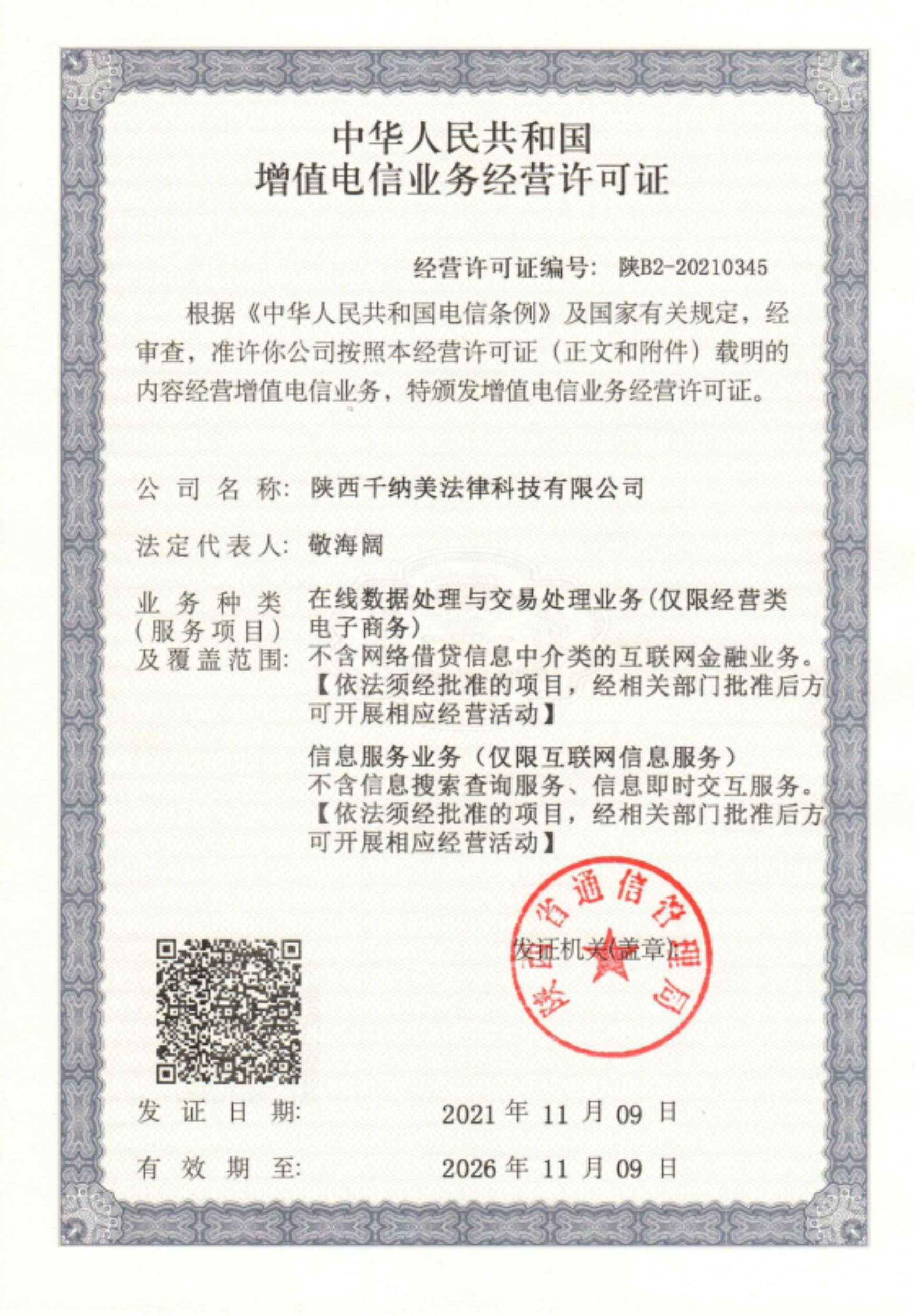
In China, operating permits are not the same for everyone. Different types of businesses and sectors need different permits, and these rules can change over time. When doing due diligence for finding a partner in China, you should:
- Make sure that all of the necessary licenses are up to date and valid
- Make sure that the licenses cover all parts of the partner's business
- Look for any past violations or suspensions of licenses
- Evaluate the partner's ability to stay in compliance with licensing requirements.
If you don't check licenses correctly, you could end yourself working with companies that operate in legal gray areas, which could put international businesses at danger of regulatory problems.
Understanding Financial Subsidies
Government grants, whether local or national, can have a big effect on how well a company does financially. But these subsidies can also make people dependent and put them at risk. When doing your due diligence on a China partner, think about:
- The type and length of any subsidies they get
- How these subsidies affect the company's financial statements
- The chance of getting more subsidy support
- Any requirements or limits that come with getting a subsidy.
Knowing how much a potential partner depends on subsidies might give you important information about their long-term financial stability and the viability of their business strategy.
Labor Law Compliance: A Deep Dive into Contracts and Social Insurance
Following labor laws is an important part of finding partners in China that needs to be done carefully. China has severe and thorough labor rules, so it's important to make sure that any possible partners are fully compliant to prevent legal and reputational problems.
Examining Employment Contracts
When doing due diligence, it's very important to carefully read through employment contracts. Some important things to pay attention to are:
- The terms and circumstances of the contract, making sure they are legal
- Correctly classifying employees as full-time, part-time, or contractors
- Following rules for working hours and overtime
- Following the rules for minimum wage and how to pay people.
If you don't follow the rules in these areas, you could have problems with your employees, pay fines, and hurt your company's reputation. So, a full evaluation of hiring methods is an important part of finding partners in China.
Verifying Social Insurance Contributions
Another important part of labor law due diligence is making sure that social insurance is paid. When looking at possible partners, it's important to:
- Make sure they are making all the necessary social insurance payments
- Look for any past instances of non-compliance or underpayment
- Figure out how much money they would lose if they had to fully comply
- Know what their policies are for social insurance for employees who work abroad.
It's not only against the law to follow social insurance rules, but it's also a sign that a firm is committed to doing business in an ethical way. This makes it a very important part of finding partners in China.
Conclusion
As we look ahead to 2026, the way China gets partners is still changing, which is both good and bad for foreign enterprises. Companies may greatly lower their risks and set the stage for successful partnerships in China by doing extensive due diligence in five important areas, including capital contribution and shareholder liability, labor law compliance, and data protection. Keep in mind that finding a good partner in China, particularly through China Partner Sourcing, requires more than just checking the surface. It takes a lot of knowledge about the legal, financial, and operational details of conducting business in China. Foreign companies can make smart choices and develop strong, compliant, and mutually profitable partnerships in the Chinese market if they pay close attention to these warning signs and do thorough research.
FAQ
Q1: How often should we conduct due diligence on our Chinese partners?
A1: Initial due diligence is very important when looking for a partner in China, but it's also a good idea to do frequent reviews, at least once a year or twice a year. This helps you stay compliant and lets you find any new hazards or changes in your partner's business environment.
Q2: What are the most common red flags in China partner due diligence?
A2: Some common red flags are errors in financial reporting, not reporting related-party transactions, not following labor rules, and not having enough data protection measures. It's also important to keep an eye out for differences between registered and real business activity when selecting partners in China.
Q3: How can we verify the authenticity of a potential Chinese partner's licenses and certifications?
A3: You can use official government databases, hire a local lawyer, or work with respected due diligence services that focus on the Chinese market to check licenses and certifications when finding partners in China. It's also a good idea to check information from more than one source to be sure it's correct.
Navigate China Partner Sourcing with Confidence: Trust China Entry Hub
We at China Entry Hub know how hard it is to find a partner in China and how important it is to do your homework. Our team of professionals will help you every step of the way by combining their knowledge of the area with their professional skills. We match your demands exactly, do thorough due diligence, and give you access to a large network of possible partners that have already been vetted.
Don't let the difficulties of getting into the Chinese market stop you. When it comes to finding partners in China, trust China Entry Hub to help you through the process. We are the only trusted interface you need in the Chinese market since we offer full support from start to finish. Email us at info@chinaentryhub.com today to start your road toward profitable business collaborations in China.
References
1. Zhang, L. (2025). "China's New Company Law: Implications for Foreign Investors." Journal of International Business Studies.
2. Chen, H. (2024). "Hidden Liabilities in Chinese Enterprises: A Due Diligence Guide." Harvard Business Review.
3. Wang, Y. (2025). "PIPL Compliance: Navigating Data Protection in China's Digital Economy." Cybersecurity Law Review.
4. Liu, J. (2023). "Understanding Chinese Business Licenses and Government Subsidies." McKinsey Quarterly.
5. Tan, S. (2024). "Labor Law Compliance in China: Best Practices for Foreign Companies." International Labor Law Bulletin.
6. Brown, R. (2025). "Partner Due Diligence in China: Lessons from Multinational Corporations." Strategic Management Journal.
7. Li, X. (2024). "Evolving Trends in China Partner Sourcing: A 2026 Outlook." Asia-Pacific Business Review.