Direct Sales vs China Social Commerce WeChat for Supplements
Redefining Distribution: Why Social Commerce Trumps Traditional Direct Sales
International brands are having to decide between traditional direct sales models and the huge growth of China social commerce. This is causing a huge change in the global health and fitness industry. When it comes to supplement names, the choice isn't just about marketing anymore; it's also about trust, ease of access, and platform interaction. Traditional direct sales depend on independent dealers and face-to-face encounters. However, the Chinese market has become a digital-first environment where WeChat is the main way that customers connect with businesses. Any international business that wants to win over the loyalty of health-conscious Chinese customers needs to understand the subtle differences between these two paths. This piece talks about how switching from old-fashioned direct selling to a social plan that uses technology can change the course of your brand in the world's fastest-changing economy.
Redefining Distribution: Why Social Commerce Trumps Traditional Direct Sales
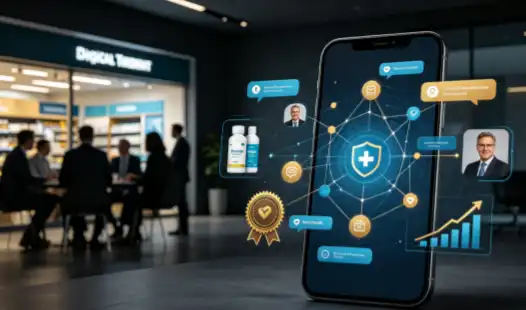
Because of changes in how people in the East buy things, foreign supplement brands that want to grow quickly can't use the old direct sales models. Direct sales used to be based on physical networks and word-of-mouth, which moved quickly because people talked to each other. Today, China's social trade has turned this trust into a digital one, which has led to exponential growth through very connected social groups. By using WeChat, brands can connect with an ecosystem where people can only join by invitation, where buying power is concentrated, and where peer recommendations, not corporate ads, drive loyalty. Traditional direct selling has rigid structures. Social commerce, on the other hand, is a flexible, data-driven space where brands can see what customers want right now. As businesses become more digital, small and medium-sized ones can avoid the high costs of setting up real offices and instead focus on social outlets that get a lot of traffic. Because this model is flexible, nutritional products get to the end user through trusted middlemen who already have a close relationship with their audience. This lets international players get into "hidden" markets.
Digital Trust vs. Physical Presence
When it comes to supplements, trust is the most important thing. In traditional direct sales, this trust was built through in-person examples. In China, social commerce builds trust through verified social proof in WeChat groups. People are more likely to buy a vitamin or mineral supplement if a leader in the online community they interact with every day suggests it. By moving from a real to a digital footprint, brands can grow without being limited by where a standard sales team can work.
Efficiency of Multi-Tiered Social Networks
The way China's social shopping is set up makes it easier to get supplements to people than through standard stores or direct sales, which can be slow. WeChat's environment is so connected that a single suggestion can quickly reach thousands of people who might buy. Brands need to be able to move their stock quickly or come out with new lines of goods in response to changing health trends in China, like the growing demand for products that fight ageing or boost the immune system.
The Role of Invitation-Only Communities
The most powerful part of the Chinese market is in circles where people are invited only. These are private spaces where wealthy people talk about health and wellness. China's social commerce strategies are a much better way for a Supplements brand to get into these groups than traditional outreach.WeChat is the guardian to these groups, giving them a level of privacy and safety that modern, mobile-first societies can't offer through standard direct sales models.
Contact our specialists at info@chinaentryhub.com to discuss your China Product Compliance needs and discover how our tailored solutions can transform your China market entry from regulatory challenge to commercial opportunity.
Navigating the WeChat Ecosystem for Nutritional Excellence
WeChat is more than just a chat app for any foreign brand; it's the best way to do business with people in China. When selling supplements, the site makes it easy for customers to go from finding out about the product to paying for it, which is important for keeping them going. By combining official accounts, mini-programs, and social sharing, a brand can give customers a complete experience that feels like direct sales but costs a lot less. The platform's data insights help brands understand the specific health concerns of their target audience, whether they are city professionals looking for stress relief or older people looking to improve their bone health. With these tips, businesses can make their messages more relevant to Chinese customers by taking into account their cultural differences. Being present in this space isn't enough to be successful; you also need to have a strategic connection with the right partners who know the "hidden" rules of these digital corridors. We at China Entry Hub are experts at bridging this gap and making sure that the right people see and like your brand.
Seamless Transactional Flow
One of the best things about using WeChat for Supplements is that it makes the buying process easier. It can be hard to pay and get things delivered in a standard direct sales setting. However, in China's social shopping system, a customer can see a suggestion, click on a link, and instantly make a purchase using built-in payment systems. This speed changes the game for conversion rates and return sales in the health field.
Content-Driven Community Engagement
People in China use content to do business with each other. For Supplements, this means giving users interesting and useful information about the "why" behind the product.WeChat lets brands post long-form stories, short videos, and questions that people can connect with, all of which build authority and knowledge. Instead of the high-pressure methods that are common in direct sales, this content-driven approach builds a stronger, more respectful relationship between the brand and the customer.
Leveraging Mini-Programs for Brand Identity
WeChat has mini-programs that let you set up a localised shopfront that works like a native app but doesn't need to be downloaded. When it comes to foreign supplement brands, this is the best way to keep their brand consistent while also meeting the needs of Chinese users. It lets you show product benefits, qualifications, and lab results in a more advanced way, which is important for building the confidence you need to succeed in the health and fitness industry.
Contact our specialists at info@chinaentryhub.com to discuss your China Product Compliance needs and discover how our tailored solutions can transform your China market entry from regulatory challenge to commercial opportunity.
Overcoming Market Entry Barriers through Strategic Partnerships
Small and medium-sized businesses often don't grow their Supplements business because the Chinese market is so complicated. The problems are big, ranging from following the rules to finding trustworthy logistics partners. This is where the power of China's social trade and professional help is very important. You need to be an "insider" on WeChat to figure out which social channels are really useful and which ones are just noise. Many brands fail in China because they use search engine marketing instead of building trust with people there. By focusing on a "connector" approach, brands can match their goals with local experts who know how to handle things like hiring, buying, and the law. This joint method makes sure that the brand stays in line while using pre-screened service partners to reach as many people as possible. Remember that the right connection can make the difference between a launch that doesn't go anywhere and a thriving customer base that sticks with you.
Strategic Compliance and Localization
Entering the Chinese market with Supplements requires a deep understanding of local health regulations and labeling requirements. Through the lens of China social commerce, localization also extends to how the product's benefits are communicated. What works in Europe or North America may not resonate in China. Professional execution involves adapting your brand story to fit the cultural expectations of WeChat users while ensuring every claim is backed by the necessary legal documentation to avoid regulatory pitfalls.
Connecting with High-Loyalty Networks
The most successful foreign brands are those that tap into the high-loyalty, high-purchasing-power networks hidden within the Chinese social ecosystem. These networks are often invisible to those outside of China. By leveraging specialized connectors, your Supplements brand can gain an invitation into these exclusive channels. This strategy moves beyond broad-spectrum marketing and targets the specific individuals who are most likely to become long-term advocates for your products.
End-to-End Operational Support
The logistics of selling Supplements in China involve more than just shipping boxes; it involves a complex web of customs, warehousing, and last-mile delivery. Within the Chinese social commerce model, efficiency is paramount. Utilizing a one-stop service provider allows senior executives to focus on brand growth while the technicalities of the WeChat store and physical distribution are handled by local experts. This "worry-free" process is essential for SMEs that lack a large on-ground team in China.
Contact our specialists at info@chinaentryhub.com to discuss your China Product Compliance needs and discover how our tailored solutions can transform your China market entry from regulatory challenge to commercial opportunity.
Conclusion
In the battle between Direct Sales and China social commerce, the latter offers a clear path to scalability and cultural integration for Supplements brands. By utilizing the pervasive power of WeChat, international companies can bypass traditional barriers and build deep, trust-based relationships with Chinese consumers. Success requires a blend of local insight, professional execution, and the right strategic connections. As the market continues to evolve, the ability to navigate these private, high-loyalty ecosystems will define the leaders in the global health and wellness industry. Embracing this digital-first, social-centric approach is the most effective way to turn the vast potential of the Chinese market into a sustainable commercial reality.
FAQ
Q1: Why is WeChat better than a standalone website for selling supplements in China?
A1: WeChat integrates social interaction, content consumption, and payment into one app. Since Chinese consumers rarely use search engines or standalone websites to discover new Supplements, the Chinese social commerce model within WeChat provides the trust and convenience necessary for conversion.
Q2: How does China's social commerce help with consumer trust for health products?
A2: Trust is built through peer-to-peer recommendations and "KOC" (Key Opinion Consumer) reviews within private WeChat groups. This decentralized form of validation is more persuasive than traditional advertising for sensitive categories like Supplements.
Q3: Can small foreign brands compete with local giants in the supplement space?
A3: Yes. By using a "connector" strategy to enter niche, high-loyalty China social commerce channels, small brands can find dedicated audiences that value international quality and specialized formulations, often bypassing the mass-market competition.
Partner with China Entry Hub for Market Success
Are you a senior executive looking to bring your health products to the world's most lucrative market? At China Entry Hub, we act as your dedicated connector to the thriving world of China social commerce. We understand that for an SME, the Chinese market can seem like a regulatory and cultural labyrinth. Our mission is to simplify this journey, providing 100% aligned interests and end-to-end support. From compliance assessments to connecting your brand with the most influential WeChat social channels, we ensure your entry is seamless and successful. Don't let your brand get lost in the noise—reach out to us today and let our local insights transform your vision into a commercial powerhouse. Contact us at info@chinaentryhub.com to start your journey.
The China Import and Export Industry Committee Businesses that deal with food and medicine The Quality and Safety Promotion Association is based on an industry platform at the national level. It focuses on the whole process of importing and exporting food, medicines, cosmetics, and medical devices. It offers services like policy research, mutual recognition of standards, regulatory compliance and customs clearance, globalisation of brands, cross-border settlement, legal support, and global sourcing. The Committee gives businesses from both inside and outside of the country the power to safely and effectively enter global markets.
References
1. Digital Transformation in the Chinese Health and Wellness Sector, International Journal of Market Research.
2. The Evolution of Social Commerce: From E-commerce to WeChat Ecosystems, Harvard Business Review (China Edition).
3. Regulatory Frameworks for Imported Nutritional Supplements in the People's Republic of China, Ministry of Commerce (MOFCOM) Industry Reports.
4. Consumer Trust and Social Proof in Asian Digital Markets, Journal of Consumer Behavior.
5. Cross-Border E-commerce Strategies for Small and Medium Enterprises, Global Trade and Customs Journal.
6. The Rise of Private Traffic: How Social Commerce is Changing Retail in China, McKinsey & Company Sector Analysis.

Xena
5+ years in livestreaming & short video content creation;Communication Studies major;Content Production Dept;Viral content strategy & brand storytelling
Get a Direct Response from Our China Expertise.
he challenge you're facing is one we've already solved. Leverage our proven framework to receive your custom China blueprint.
Recommended Blog


Import Clearance Consulting for Australian Meat Entering China

Understanding Business Scope on China’s Business License