China Labeling Requirements for Imported Supplements 2026
What Information Must Appear on Imported Supplement Labels in China?
- What Information Must Appear on Imported Supplement Labels in China?
- Chinese Language Requirements for Imported Supplement Labels
- Restricted Health Claims on Supplement Labels in China
- Labeling Requirements for Herbal and Botanical Supplements
- Common Labeling Risks for Imported Supplements in 2026
- Conclusion
- FAQ
- Partner with China Entry Hub for Seamless Supplement Labeling Compliance
- References
Compiled by: The Import-Export Committee of the China Food and Pharmaceutical Enterprises Quality and Safety Promotion Association
China labeling requirements for imported supplements in 2026 need careful attention to developing regulations. International companies entering China must recognize that supplement packaging isn't just translation—it must comply with national ingredient disclosure, health claim, and mandated labeling laws. Non-compliant items face harsher fines due to tighter regulations. Companies must verify every label element fulfills GB 7718 and GB 13432 requirements and appropriately represents product composition. Understanding these standards before market entrance avoids expensive delays, product rejections, and brand harm. This detailed handbook explains labeling compliance in China's evolving regulatory environment for supplement imports.
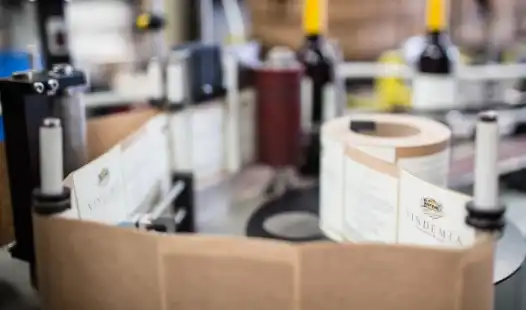
What Information Must Appear on Imported Supplement Labels in China?
Chinese officials strictly require imported supplements to provide information. Supplement names must accurately describe their qualities without distorting efficacy or substance. Net content requires explicit metric units on the main screen. Chinese consumers understand year-month-day production and expiration dates.
Detailed ingredient lists in decreasing proportion order are necessary. Name all additives, preservatives, and processing aids in Chinese. Allergen warnings must be conspicuous on milk, egg, fish, shellfish, tree nuts, peanuts, wheat, and soybean products. Manufacturing name, registration address, and contact information must be complete and validated.
Storage instructions should reflect product stability. Warnings about temperature, humidity, and light help buyers maintain merchandise. Recommended doses specify quantity and frequency. Contraindications and warnings protect pregnant women, nursing mothers, children, and anyone with health issues.
Labels need regulatory registration or file numbers to verify market authorization. Traceable data confirms market access. Nutritional information panels need standard serving sizes, nutrient content, and DRI. Country of origin information aids buying decisions and fulfills transparency norms.
Understanding these fundamental China labeling requirements is crucial for market entry. Brands may avoid enforcement and build confidence with early label creation. China prioritizes professional markets and consumer safety via regulatory compliance.
Need guidance on mandatory supplement label elements, ingredient disclosure, or GB 7718 compliance? Contact our specialists at info@chinaentryhub.com or call +8618600291000 to discuss your China Product Compliance needs and develop a compliant labeling strategy for the Chinese market.
Chinese Language Requirements for Imported Supplement Labels
Many foreign businesses overlook language compliance in China Product Compliance. All imported supplements must have labeling in simplified Chinese. Foreign language material may appear alongside Chinese information, but it cannot be more prominent or bigger. All Chinese customers may obtain vital product information regardless of language competence with this criterion.
Translation Accuracy and Terminology Standards
Quality translations affect regulatory clearance and customer impression. Technical jargon, substance names, and health claims must utilize official Chinese terminology. The Chinese Pharmacopoeia and national food safety regulations are authorized ingredient nomenclature sources. Translation mistakes may cause liability and compliance issues by misinterpreting product composition, use instructions, and safety warnings.
Regulatory documents translation services comprehend terminology requirements that regular translation companies may overlook. Scientific language is needed for botanical names, chemical compounds, and dosage directions. Cultural adaptation involves meeting Chinese customer expectations while keeping technological correctness.
Font Size and Readability Standards
Regulatory requirements set minimum font sizes for label elements to guarantee reading. Characters for primary display panel information are usually bigger. Chinese characters' heights deviate from Latin alphabet standards owing to structural intricacy. Labels should have black writing on white backgrounds for safety.
Character spacing and line height effect understanding, especially for visually impaired or older customers. Compact text layouts to save label space typically fail regulatory reading tests. Character distortion may make product details unclear or unreadable. Quality printing prevents this.
Label Material and Durability Requirements
Beyond content, physical label qualities matter. Labels must remain intact throughout storage, transit, and distribution. Adhesion, material durability, and print resistance to moisture, temperature, and light are examined. Market withdrawal might result from peeling labels, blurred lettering, or fading information.
Permanent attachments prevent label tampering and replacement. Removable labels increase product authenticity and traceability problems. Before items reach Chinese warehouses, label durability is tested under simulated storage and transit circumstances to detect faults. These physical criteria and information accuracy are vital to labeling compliance.
Want to ensure your supplement labels meet simplified Chinese translation and readability requirements? Contact our regulatory experts at +8618600291000 for professional support on compliant Chinese labeling solutions.
Restricted Health Claims on Supplement Labels in China
China labeling requirements for supplement importers are hardest to comply with health claim standards. Chinese regulators strictly regulate supplement packaging illness prevention, treatment, and cure claims. Dietary supplements cannot claim medicinal benefits or medical intervention. The line between nutritional assistance and therapeutic claims must be carefully navigated.
Prohibited Disease-Related Statements
Supplement claims that prevent, diagnose, treat, or cure illnesses are illegal. Immune boosting, cancer prevention, diabetic management, cardiovascular protection, and cognitive illness prevention claims usually exceed limits. Language indicating supplements replace medical care or drugs invites regulation. Even indirect hints like iconography, medication box colors, or health condition comments might violate.
Compare claims of superiority over medical treatments or other items are scrutinized. Quantified health outcomes like biomarker or symptom percentage improvements are usually too optimistic. Supplements promote wellbeing, not disease, according to regulatory ideology. To avoid harmful terminology, brands must thoroughly analyze marketing materials, product design, and textual descriptions.
Acceptable Nutritional Function Statements
Regulators acknowledge standardized language in health function claims. The roles include nutritional supplements, growth and development support, and physiological maintenance. Examples include vitamin and mineral supplements, calcium assistance, and antioxidant substances. Supporting normal physiological functioning vs treating abnormalities is crucial.
Brands seeking compliance may rest easy with pre-approved claim wording. Even modest changes to conventional phrasing might cause compliance issues. Health function registration documents provide mandatory claim language for label text. Creative marketing to distinguish goods via distinctive health message sometimes conflicts with standardized claim criteria.
Scientific Substantiation Requirements
Health claims need strong scientific proof. Clinical trials, mechanism research, and safety assessments must fulfill regulatory reviewer methodological criteria. Chinese participants should be studied when possible because to genetic, nutritional, and lifestyle variables that may alter supplement reactions. Evidence quality criteria match worldwide scientific research design, statistical analysis, and peer review standards.
Registration and filing packages must include extensive and transparent scientific backing. Reviewers distrust selective data presentation, cherry-picked studies, and methodologically inadequate research. Regulations favor brands that invest in robust scientific substantiation for consumer safety and evidence-based marketing. This foundation facilitates initial market entrance and maintaining market presence as regulations change.
Concerned about health claim compliance and regulatory risk in China? Contact our compliance advisors at +8618600291000 to review your supplement marketing language and avoid costly violations.
Labeling Requirements for Herbal and Botanical Supplements
Traditional medicine and contemporary safety regulations complicate herbal and botanical supplement labeling. China has vast botanical ingredient databases with naming norms, dosage limits, and use restrictions. Understanding these specific standards minimizes typical mistakes that delay or preclude botanical product market access.
Botanical Ingredient Identification Standards
Scientific botanical identification utilizing Latin binomial names and Chinese common names clarifies product composition. Many plants have similar common names across locations, causing confusion without standardization. Because plant parts have varied active ingredient profiles and safety concerns, labels must mention roots, leaves, flowers, seeds, or entire plant.
Processing that affects botanical properties should be disclosed. Product potency and consistency are shown via extraction methods, concentration ratios, and marker compound standardization. When sustainability or quality varies, wild-harvested and farmed sources may need to be distinguished. Plant attributes vary by growing location due to soil composition, climate, and cultivation tactics. Geographic origin criteria assist.
Dosage and Usage Instructions for Botanicals
Labels must include dose recommendations based on traditional usage patterns. Current clinical evidence, historical use data, and safety evaluations dictate intake amounts and frequencies. Due to absorption, cumulative effects, or preparation, botanical supplements need different intake instructions than synthetic vitamins and minerals.
Duration of usage guidelines avoid overconsumption that may enhance harmful effects. Some botanicals are best used temporarily in particular situations. Tips for taking supplements with meals, on empty stomachs, or at certain times of day improve effectiveness and reduce gastrointestinal discomfort. Products that need reconstitution, brewing, or mixing include preparation instructions to guarantee proper formulation.
Traditional Medicine Classification Considerations
Traditional Chinese medicine botanicals are regulated differently. Medical products listed in the Chinese Pharmacopoeia are regulated more strictly than food ingredients. Some plant compounds must be classified carefully since they fall between food and medicine. Misclassifying pharmaceutical items as dietary supplements or vice versa violates compliance.
Ingredient categorization and intended use position greatly affect registration processes. Blue hat accreditation pertains to health food items with particular health function claims. Normal food filing processes allow items without health function claims and usually safe ingredients. Classification before label creation and market entrance strategy avoids lost time and resources.
Planning to market herbal or botanical supplements in China? Contact China Entry Hub at +8618600291000 to navigate ingredient classification, labeling, and registration requirements efficiently.
Common Labeling Risks for Imported Supplements in 2026
Identifying common labeling errors helps businesses avoid market entrance failures. Authorities now examine more often and fine violators more harshly. Understanding developing risk areas allows proactive compliance solutions to preserve brand image and investment.
Inadequate Ingredient Disclosure
Inspectors take frequent incomplete ingredient lists seriously. Every ingredient purposefully added during manufacture must be disclosed, including minor processing aids. Unspecified ingredient proportions in proprietary blend descriptions confuse consumers and contradict openness. Micronutrient fortification details—including vitamin forms and mineral compounds—need detailed identification rather than category references.
Information gaps on allergens pose major consumer safety and liability problems. Even non-intentional allergies need warnings due to manufacturing cross-contamination. Novel substances with no Chinese usage history need careful identification and safety information. Supplements with GMO components must disclose genetic modification status.
Translation Quality Issues
Translation errors damage regulatory approval and consumer confidence. Machine translation errors, technical terms, and ambiguity are immediately detected by professional reviewers. Technically correct translated text that is culturally inappropriate might produce customer complaints or regulatory issues. Confusing foreign language information with Chinese translations puts question on authenticity and conformity.
Similar pronunciations with different characters have distinct meanings, making Chinese homophone misunderstanding risky. Regional dialects change terminology, but standard Mandarin is the regulatory baseline. Traditional characters don't fulfill simplified Chinese specifications, thus mainland China and other Chinese-speaking countries must simplify them. Tech-savvy native Chinese speakers with regulatory expertise see little flaws non-specialist translators miss.
Claim Substantiation Gaps
Statements that seem innocent to overseas marketers may breach Chinese regulatory claim limits. Claims breaches might result from suggestive images, brand names implying health advantages, or lifestyle photos showing health gains. Consumer testimonials, celebrity endorsements, and before-after comparisons that show therapeutic results raise enforcement problems without written claims.
Scientific evidence supporting functional assertions must meet Chinese regulatory requirements for research design, population relevance, and statistical rigor. Foreign research may need China-specific data to prove relevance to Chinese customers. Technical evaluation reveals evidence gaps, which may need claim changes, more studies, or registration delays. Building extensive substantiation files before market debut helps businesses navigate regulations.
Looking to identify and prevent common supplement labeling risks before entering China? Contact our specialists at +8618600291000 for proactive compliance audits and market entry support.
Conclusion
China labeling requirements for imported supplements involve regulatory knowledge, linguistic clarity, and cultural sensitivity. In 2026, regulations prioritize consumer safety, information openness, and evidence-based marketing. Brands that strategically invest in professional translation, scientific substantiation, and regulatory competence for labeling compliance succeed in the market.
Proactive compliance has business benefits beyond avoiding enforcement. Consumers increasingly favor brands that obey regulations and disclose product composition, advantages, and restrictions. Quality labels convey product quality and brand professionalism. China Product Compliance's complexity presents differentiating potential for well-prepared companies.
Labeling creation should be integrated with market access strategy to ensure uniformity across registration paperwork, packaging, marketing materials, and digital content. Regulatory environments change with new substances, scientific breakthroughs, and consumer protection goals. As regulations change, brands adapt to stay relevant. Market entrance times, rejection risks, and brand reputation improve with full compliance infrastructure.
FAQ
1. What are the most critical elements of China labeling requirements for supplements?
Complete ingredient disclosure with Chinese nomenclature, correct nutritional information panels, regulatory-compliant health function claims, obligatory warning statements, production and expiry dates, storage directions, and Chinese translation are necessary. All text must be in simplified Chinese with legible font. Market permission or filing numbers must stand out.
2. How do health claim restrictions impact supplement marketing in China?
Health claim restrictions restrict marketing language more than in the West. Supplements cannot cure or prevent illness. Acceptable statements prioritize nutrition and natural physiological processes above disease. Pre-approved claims allow safe posture. Marketing creativity must prioritize product quality, ingredient source, and manufacturing standards above therapeutic benefits.
3. What translation considerations matter most for supplement labeling compliance?
Chinese regulatory vocabulary is needed for technical terminology translation accuracy. Minimal font size, character spacing, and readability facilitate information accessibility. Make Chinese characters simpler, not antique. Native linguists with regulatory expertise see intricate difficulties that translators miss. Compliance between foreign language materials and Chinese translations reduces regulatory review authenticity concerns.
Partner with China Entry Hub for Seamless Supplement Labeling Compliance
China labeling requirements shouldn't prohibit your supplement business from entering this profitable market. China Entry Hub's regulatory interpretation, paperwork preparation, and compliance strategy expertise simplifies complicated requirements into action plans. Our end-to-end service approach handles label design, regulatory submission, and approval without guessing. We work with certified testing labs, advise on health claim limits, and ensure your labeling fits all requirements. We safeguard your brand from expensive infractions by understanding the differences between compliance positioning and questionable claims.
Ready to enter the Chinese supplement market with confidence? Contact our regulatory specialists at info@chinaentryhub.com to discuss your specific labeling challenges and develop a customized compliance roadmap. Let China Entry Hub clear your market access hurdles efficiently.
Import-Export Industry Committee of China Pharmaceutical and food companies A nationwide industrial platform underpins Quality and Safety Promotion Association. It offers policy research, standards mutual recognition, regulatory compliance and customs clearance, brand globalization, global sourcing, cross-border settlement, and legal support for the entire food, pharmaceutical, cosmetic, and medical device import-export chain. The Committee helps local and multinational companies join global markets securely and effectively.
References
1. China National Center for Food Safety Risk Assessment. (2024). "Guidelines for Labeling of Pre-packaged Foods (GB 7718-2011)." Beijing: Standards Press of China.
2. State Administration for Market Regulation. (2025). "Administrative Measures for the Registration and Filing of Health Foods." Beijing: SAMR Publications.
3. Chinese Nutrition Society. (2023). "Dietary Reference Intakes for Chinese Residents." Beijing: People's Medical Publishing House.
4. Ministry of Health of the People's Republic of China. (2022). "National Food Safety Standard: General Rules for Nutrition Labeling of Pre-packaged Foods (GB 28050)." Beijing: China Standards Publishing House.
5. National Health Commission. (2025). "Catalogue of Raw Materials for Health Foods." Beijing: NHC Regulatory Documentation.
6. China Food and Drug Administration. (2024). "Technical Guidelines for Health Food Registration and Filing." Beijing: CFDA Technical Publications.

Sonia
8+ years in financial engineering & legal advisory;Compliance & Execution Dept;Due diligence & partnership structuring;Operational Risk Controller
Get a Direct Response from Our China Expertise.
he challenge you're facing is one we've already solved. Leverage our proven framework to receive your custom China blueprint.
Recommended Blog
Entry Paths and Methods for Foreign Pet Products and Food into China

First Steps to Enter the Chinese Market for Overseas SMEs
Paths and Methods for Foreign Aquatic Products to Enter the Chinese Market
Paths and Methods for Foreign Enterprises' Sugar to Enter China

Introduction to the Import-Export Industry Working Committee


China Pharma Import Logistics: Cold Chain & Clearance Steps