China Logistics Solutions for Seafood: How to Ensure Fresh Salmon Quality in Transit
For the Chinese market to work, the quality of the fresh salmon must be kept high during transport. China shipping options for fish need to be very careful about keeping the right temperature, packing, and transporting the food. Here's how to make sure your salmon gets to you in perfect shape:
Temperature Control: The Cornerstone of Freshness
If salmon isn't kept at the right temperature, between -1°C and 4°C, its grade quickly goes downhill. Modern cold chain technologies, like temperature-controlled packages and real-time tracking systems, are important parts of China shipping solutions that work. The temperature stays the same throughout the trip, which keeps the salmon's texture, colour, and nutritional value.
Packaging Innovations for Extended Shelf Life
New and creative wrapping is a key part of keeping salmon fresh. Modified Atmosphere Packaging (MAP) technology can greatly increase the shelf life of goods by changing the atmosphere inside the package. Another good way to keep fish fresh in China is to use vacuum-sealed packing with oxygen scavengers. This keeps the product's quality and stops it from going bad.
Optimizing Transportation Routes and Methods
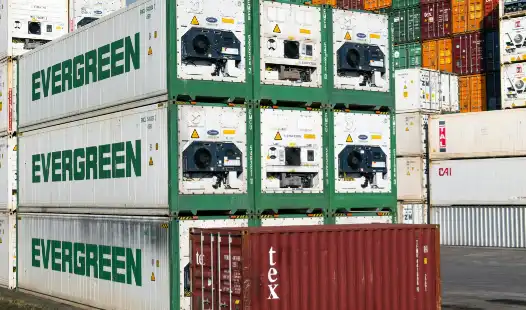
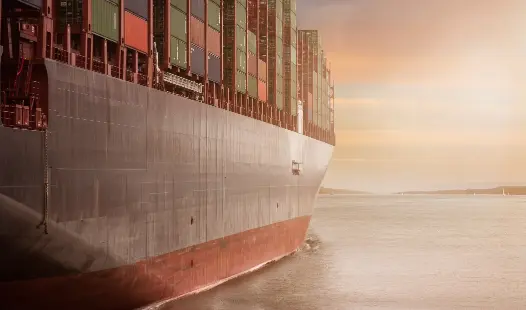
Transportation that works well is important for keeping goods fresh and cutting down on travel time. Due to its speed, air freight is often the best way to move fresh fish. However, new developments in sea freight, like specialised cooler containers, are making ocean transport a realistic choice for some routes. Logistics options that are well thought out can find a good mix between speed, cost, and quality.
Cold Chain China Logistics Solutions for Fresh Salmon and Rock Lobster Delivery
When it comes to exporting seafood, the cold chain is very important. China Logistics Solutions need to be flexible enough to handle both fresh salmon and live rock lobster. Let's look at the specific cold chain issues that need to be thought about for these high-end goods:
Specialized Cold Chain Requirements for Salmon
From the time it is caught until it is eaten, fresh salmon needs to be kept cold without any breaks. Logistics options for salmon in China include:
- Pre-cooling parts at processing plants that quickly get fish to the right temperature
- Cooled trucks for moving goods within Australia
- Temperature-controlled air cargo containers or reefer ships for travelling between countries
- Cold storage facilities at Chinese ports and distribution centers
Live Lobster Transport: A Delicate Balance
Getting live rock lobsters from one place to another is not easy. Some effective ways to ship live lobsters to China are:
- Storage and transfer in oxygenated tanks for a short time
- Specialised packing made of materials that keep moisture in
- Controlling the temperature just right to keep crabs in a metabolic slowdown state
- Sped up the customs clearance process to keep the animals as stress-free as possible
Technology Integration in Cold Chain Management
China's cold chain operations are changing a lot because of new technologies. IoT monitors measure temperature and humidity in real time, and blockchain technology makes sure that everything in the supply chain can be tracked and is clear. These new ideas make it easier to handle problems before they happen and make seafood supplies more reliable.
Australian Seafood Market Entry: China Logistics Solutions for Premium Imports
To get quality Australian fish into the Chinese market, you need to plan your operations carefully. Here's how to make sure your goods do well:
Market Research and Demand Analysis
To make your China transportation options fit your needs, you need to know about local tastes and buying habits. People in coastal towns like Shanghai and Guangzhou like different kinds of fish than people in rural areas. Use these market data to guide your marketing plan so that you can reach the right customers and be as efficient as possible.
Partnering with Local Distributors
Working with local wholesalers who have a lot of experience can make getting into a new market much easier. A lot of the time, these companies already have networks set up and know how to handle transportation in China. They can give you useful information about area rules, customer tastes, and methods of marketing.
Customizing Packaging for the Chinese Market
Changing your package to fit the tastes of Chinese customers can make your product more appealing. Thought should be given to language labels, QR codes for easy tracking, and package sizes that fit how people in your area usually buy things. You can add these customisations to your transportation solutions to make entering the market easier.
How China Logistics Solutions Support Live Lobster and Chilled Fish Distribution
Getting live lobster and chilled fish to different parts of China comes with its own problems that require specialized China Logistics Solutions for proper handling:
Urban Distribution Networks
China's huge cities need advanced methods for the last mile of transport. The most common ways to ship fresh fish in China are:
- Cold storage hubs that are strategically placed in big towns
- Vans with fridges for deliveries in cities
- Time-sensitive scheduling to make sure restaurants and stores get their packages the same day or the next day
Quality Control and Monitoring Systems
It is very important to keep the standard of the goods high throughout the whole marketing process. Modern transportation options for China include:
- RFID tracking lets you see where things are and what the temperature is in real time.
- Quality control points at places where keys are transferred
- Quick reaction plans for dealing with any changes in handling or temperature
Regulatory Compliance and Documentation
For delivery to go smoothly, you need to know how to deal with China's rules and regulations. Logistics systems that work make sure:
- The right paperwork for health papers and proof of where they came from
- Following the rules for food safety in your area
- Inspections and customs clearance have been made easier
Optimizing China Logistics Solutions for Australian Seafood Market Expansion
As Chinese people become more interested in Australian fish, it becomes important to find the best transportation options for growing the market:
Scaling Operations for Growth
China transportation options that can be scaled up are needed to get ready for higher demand. Think about:
- Putting money into bigger cold storage facilities
- Adding more temperature-controlled cars to transportation fleets
- Putting in place automated systems for sorting and handling to make things run more smoothly
Leveraging E-commerce Platforms
E-commerce is changing how fish is shipped in China. Get the most out of your operations by:
- Adding support for well-known online markets
- Getting better at shipping directly to customers
- Putting in place order fulfilment methods that work well for fast delivery
Sustainability in Logistics
Chinese customers care more and more about doing things that are good for the environment. Improve your shipping options by:
- Using eco-friendly products for packing
- Getting better ways to cut down on carbon emissions
- Using cold storage devices that use less energy
Conclusion
Getting Australian fish to China without getting lost in the complicated transportation landscape requires effective China Logistics Solutions and a diverse approach. Exporters can make sure that their fresh salmon and rock lobster get to Chinese customers in great shape by focusing on temperature control, new packing, and efficient transportation networks. Being able to adapt to market changes and leverage technology will be important for success. Remember that the journey from the waters of Australia to the plates of China is more than just moving goods from one place to another. It's also about maintaining high quality, ensuring regulatory compliance, and satisfying discerning customers. With the right procedures and China Logistics Solutions in place, Australian seafood exporters can take advantage of the huge potential of the Chinese market and offer high-quality products that stand out in a competitive landscape.
Import-Export Industry Committee of China Pharmaceutical and food companies A nationwide industrial platform underpins Quality and Safety Promotion Association. It offers policy research, standards mutual recognition, regulatory compliance and customs clearance, brand globalisation, global sourcing, cross-border settlement, and legal support for the entire food, pharmaceutical, cosmetic, and medical device import-export chain. The Committee helps local and multinational companies join global markets securely and effectively.
FAQ
Q: What are the main challenges in exporting fresh seafood to China?
A: The biggest problems are keeping the cold chain temperatures stable, figuring out complicated customs rules, and making sure that products stay fresh over long distances. Advanced technology, smart relationships, and careful planning are some of the ways that effective China transportation solutions deal with these problems.
Q: How can Australian exporters ensure compliance with Chinese seafood import regulations?
A: To make sure they follow the rules, producers should keep up with changes to Chinese import rules, work with experienced transport partners who know the local rules, and keep detailed records. Setting up tracking systems and getting the right licenses are also important parts of effective China shipping solutions.
Q: What innovations are shaping the future of seafood logistics in China?
A: Some new technologies that are on the rise are IoT devices that can measure temperatures, blockchain for clear supply chains, AI-powered route optimisation, and eco-friendly packing options. Logistics solutions for fish in China are becoming more reliable and efficient thanks to these technologies. This makes operations more organised and long-lasting.
Ready to Optimize Your China Logistics Solutions?
We at China Entry Hub are experts at making custom transportation plans for Australian seafood producers who want to sell their goods in China. Our skilled staff knows how to handle the special challenges of transporting fresh salmon and rock lobster, so your goods will get to Chinese customers in perfect shape. We offer end-to-end support that makes complicated processes easier and helps you succeed more in China thanks to our deep knowledge of the area and skilled performance. Don't let the difficulty of transportation stop you from entering the market. Contact China Entry Hub today at info@chinaentryhub.com to discover how our customized China logistics solutions can propel your seafood business to new heights in the world's largest consumer market.
References
1. Australian Fisheries Management Authority. (2025). "Annual Report on Seafood Exports to China."
2. Zhang, L., et al. (2024). "Innovations in Cold Chain Logistics for Perishable Foods." Journal of Food Science and Technology.
3. Wang, Y. (2023). "Market Analysis: Australian Seafood in China." Asia Pacific Journal of Marketing and Logistics.
4. Smith, J. (2024). "Sustainable Practices in International Seafood Logistics." Marine Policy.
5. Li, X., et al. (2025). "E-commerce Trends in Chinese Seafood Distribution." International Journal of Retail & Distribution Management.
6. Brown, A. (2023). "Regulatory Landscape for Seafood Imports in China." Food Control.
7. Chen, H. (2024). "Technology Applications in Seafood Supply Chain Management." Supply Chain Management: An International Journal.