- Electrical and electronic products
- Vehicles and auto parts
- Safety glass
- Medical devices
- Toys
- Information technology equipment
It is important to know that Chinese officials make regular updates to the list of goods that need CCC approval. So, businesses that want to start or keep doing business in China must always know about the newest rules.
How to figure out whether or not your product needs CCC approval
To find out whether or not your product needs CCC approval, you should:
- Talk to the official CCC product list from the Certification and Accreditation Administration of China (CNCA).
- Talk to a China product compliance expert or a well-known advising company that focuses on helping businesses get into the Chinese market.
- Think about how you want to use your product and what features it has in relation to Chinese safety rules.
If your product doesn't need CCC certification, it might still need to be certified or registered in other ways based on what it is and how it will be used in China.
An Overview of CCC Certification Process and Scope
The CCC approval process is very detailed and can take a long time, so it needs to be well thought out and planned. To quickly and easily navigate the China product compliance world, you need to know what it is and how it works.
How to Get CCC Certification
Usually, it takes these steps to get CCC certification:
- Putting in an application to a certain group that gives certifications
- Type testing of product samples in Chinese labs that are certified
- Quality control factory inspections to make sure the production stays at a constant standard
- Evaluation of inspection data and test reports
- Choice about certification
- Inspections and tracking after the first check
Each step needs a lot of focus on the small things, and there is often a lot of paperwork involved. The whole process can take anywhere from a few weeks to a few months, based on how ready the application is and how complicated the product is.
The reach of CCC certification
CCC recognition is more than just approving a product. It includes:
- Rules for the safety and quality of products
- Controls for the manufacturing process
- Regular checks of the plant help to ensure ongoing compliance.
- Labeling rules, such as when to use the CCC mark
Understanding this reach is very important for long-term compliance and to avoid problems that could affect the way your business runs in China.
How to determine the specific testing standards for my product category?
Determining the specific testing standards for your product category is a critical step in ensuring China product compliance. Each kind of object has its own set of rules. These can be hard to understand and are often changed. Here's a way for you to get through this:
To look into GB Standards (Chinese National Standards)
A lot of product testing rules are based on GB standards (Guobiao standards), which are China's national standards. A lot of the time, these standards are in line with those used in other countries, but they might have been changed in certain ways to fit China. To find out what rules apply:
- Go to the Standardization Administration of China (SAC) website.
- Talk to trade groups that know a lot about how business is done in China.
- Get help from a safety expert who knows a lot about your type of product.
Keep in mind that standards for things like safety, performance, and environmental effect may need to be met by some goods.
Understand the needs of each product
It is possible that different types of products will need to be tested in different ways. For instance:
- Electromagnetic compatibility (EMC) guidelines are things that electronics often have to do.
- Food must follow certain rules about cleanliness and additives.
- Makeup and beauty products need to be checked for safety and ingredients.
Finding these product-specific legal needs early on will save you time and money in the long run.
Navigating Labeling and Documentation Requirements for Imports
China product compliance has a very important do-or-break aspect: the right labels and paperwork. Chinese customs officials will reject or delay products with incorrect labels or paperwork. These strict rules must be followed exactly.
Rules for labeling
Chinese marking rules usually include:
- The Chinese name of the product
- The manufacturer's or distributor's name and address
- Where it comes from
- Product details and chemicals (if they have any)
- The date the product was made and the date it goes bad (for some goods)
- Quality level (for some items)
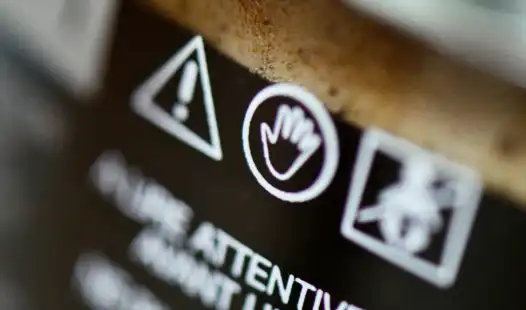
- Warning signs or symbols that are relevant
Also, the CCC mark must be shown clearly on some goods. Make sure that all of the signs are correct, easy to read, and firmly attached to the product or its package.
Things You Need to Prove
It is important to have the right paperwork so that customs approval goes smoothly. Important papers may have:
- Commercial invoice
- List of things to pack
- Bill of lading or air waybill
- Certificate of Origin
- CCC certificate (if applicable)
- Product quality inspection certificate
- Any other product-specific certificates or licenses
Make sure that all paperwork is finished, correct, and turned into Chinese when it needs to be. This process can be made a lot easier by working with a customs broker who knows what they're doing.
What are the consequences of non-compliance with China's certification rules?
Non-compliance with China's certification rules can have severe consequences for businesses, ranging from financial penalties to long-term market access restrictions. Understanding these potential outcomes is crucial for prioritizing China product compliance in your market entry strategy.
Immediate Consequences
The immediate repercussions of non-compliance may include:
- Product detention or rejection at customs
- Fines and penalties
- Forced product recalls
- Temporary suspension of import privileges
These immediate consequences can result in significant financial losses and disrupt your supply chain operations.
Long-term Implications
Beyond the immediate impact, non-compliance can lead to:
- Damage to brand reputation in the Chinese market
- Increased scrutiny for future imports
- Legal action from Chinese authorities or consumers
- Potential blacklisting from the Chinese market
The long-term implications can be particularly devastating, potentially closing off access to one of the world's largest consumer markets.
Conclusion
China product compliance is difficult, but it's necessary for any firm trying to prosper in China. This enormous customer base is gated by major product certifications, primarily the CCC, which ensure product safety and quality while defending national interests. Businesses may enter China and expand sustainably by knowing certification procedures, testing standards, labeling rules, and penalties for non-compliance. Remember that compliance is a continuous process. Long-term success requires staying abreast of legislative changes, strict quality control, and partnerships with local experts. Despite the challenges, many firms find it advantageous to enter the Chinese market.
Consider working with seasoned specialists to help you navigate China product compliance when you enter the Chinese market. You can turn regulatory constraints into competitive advantages and help your goods succeed in one of the world's most dynamic markets with the correct strategy and assistance.
FAQ
1. How long is CCC certification usually?
CCC certification takes 4–8 months, depending on product complexity and preparation. The procedure must begin far before your market entry date.
2. Can non-Chinese lab findings be used for CCC certification?
CCC accreditation usually needs testing in approved Chinese labs. If international labs have mutual recognition agreements with China, the CNCA may accept their test findings.
3. Are small-quantity imports exempt from CCC certification?
Yes, limited amounts of items for scientific study, display, or personal use are exempt. However, some exemptions need clearance and have severe quantity and use limits.
Take the Next Step in Your China Market Entry with China Entry Hub
Navigating the complexities of China product compliance doesn't have to be a daunting task. At China Entry Hub, we specialize in simplifying your journey into the Chinese market. Our team of experts offers comprehensive support for all aspects of product certification, including CCC and other regulatory requirements. With our deep understanding of Chinese market dynamics and regulatory landscape, we ensure a smooth and efficient compliance process for your products.
Don't let certification challenges hinder your business growth. Contact China Entry Hub today to leverage our expertise and local insights. We'll guide you through every step of the compliance process, helping you unlock the full potential of the Chinese market. Reach out to us at info@chinaentryhub.com to start your successful China market entry journey.
source:chinaentryhub
References
- Certification and Accreditation Administration of the People's Republic of China (CNCA) Official Website
- China National Standards (GB Standards) Database
- "Understanding China's Product Certification Requirements" - China Briefing Magazine
- "Navigating Product Compliance in China" - EU SME Centre
- "China Compulsory Certification (CCC) Mark: The Essential Guide" - Quality Inspection Blog
- "Import and Export of Goods in China: A Guide to Customs Procedures" - China Law Insight
- "Product Liability in China: Key Considerations for Foreign Manufacturers" - China Business Review